
Quick-Dry Behavior
Fiber content, fabric structure, surface texture and finishing direction can be reviewed when fast drying is part of the product brief.
Explore custom functional fabric and functional textile development for custom product programs, including material selection and performance requirements such as absorbency, quick-dry, cooling or other project-specific functions.
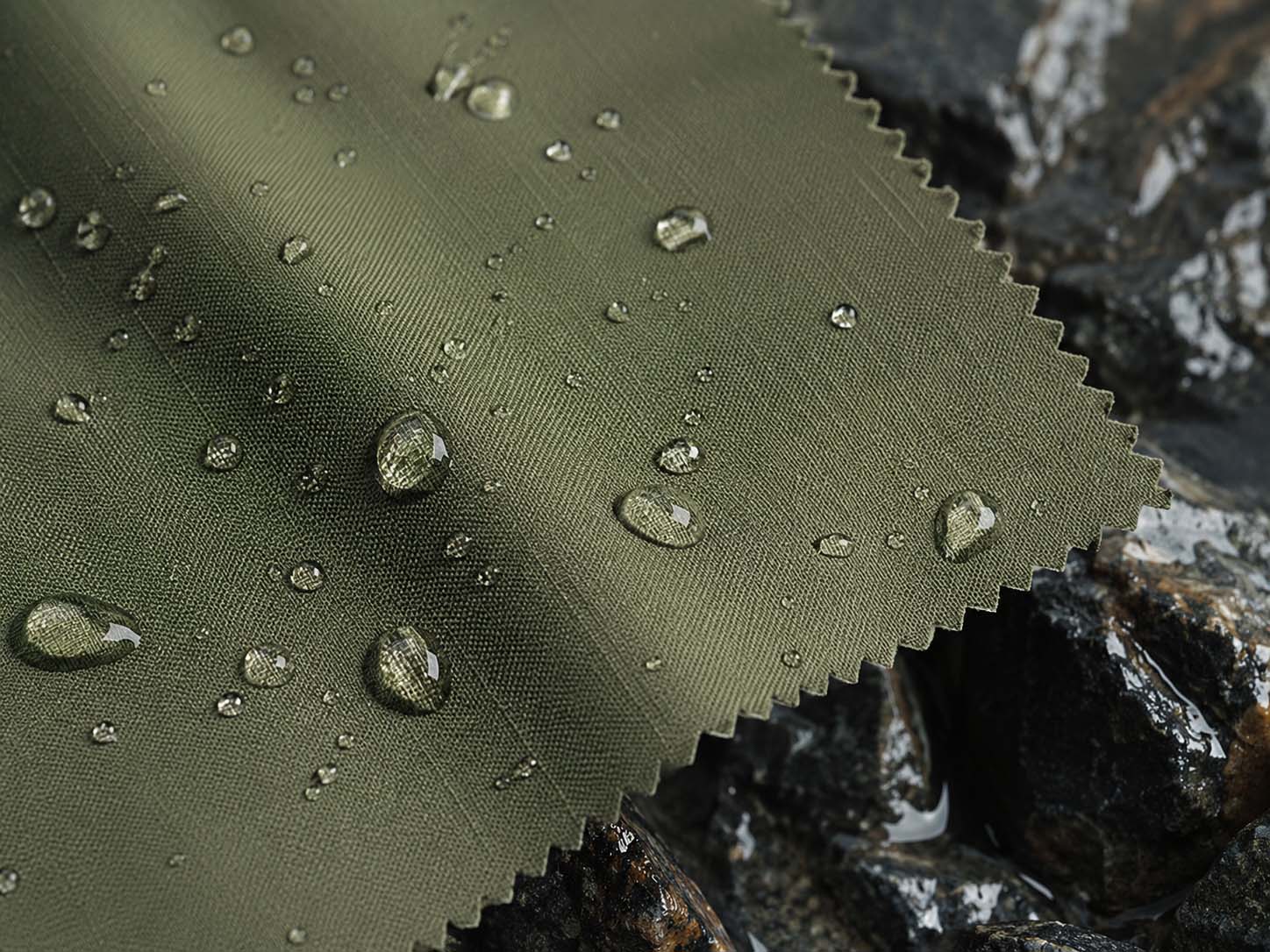
Huaman Tex supports the evaluation and development of functional textile requirements as part of custom product programs. A requirement is a development target; a verified claim depends on final material, construction, processing and supporting documentation.
Fiber content, fabric structure, surface texture and finishing direction can be reviewed when fast drying is part of the product brief.
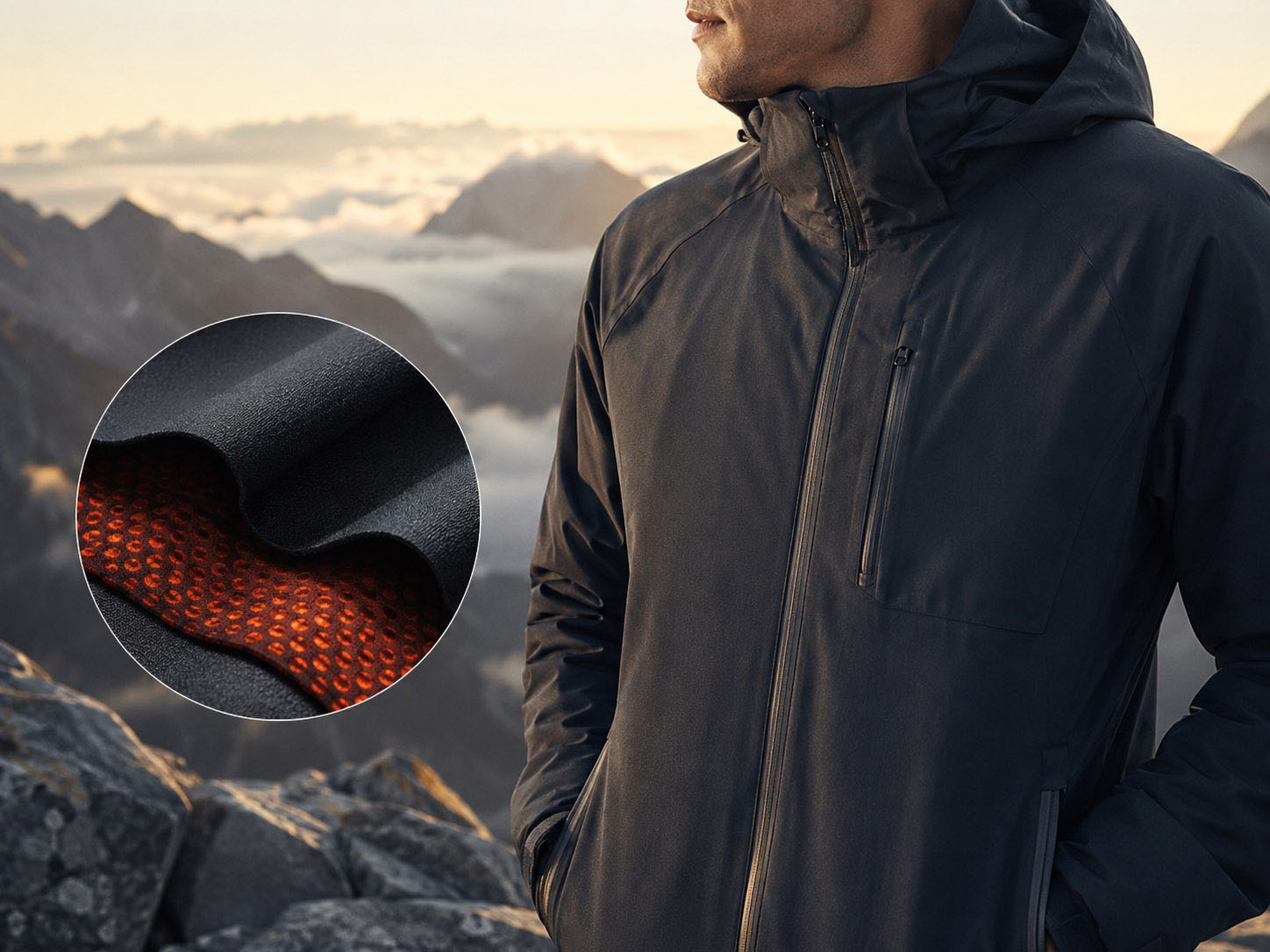
Material and construction options can be reviewed for cool-touch or comfort targets. Any specific cooling claim requires the agreed method and supporting data.
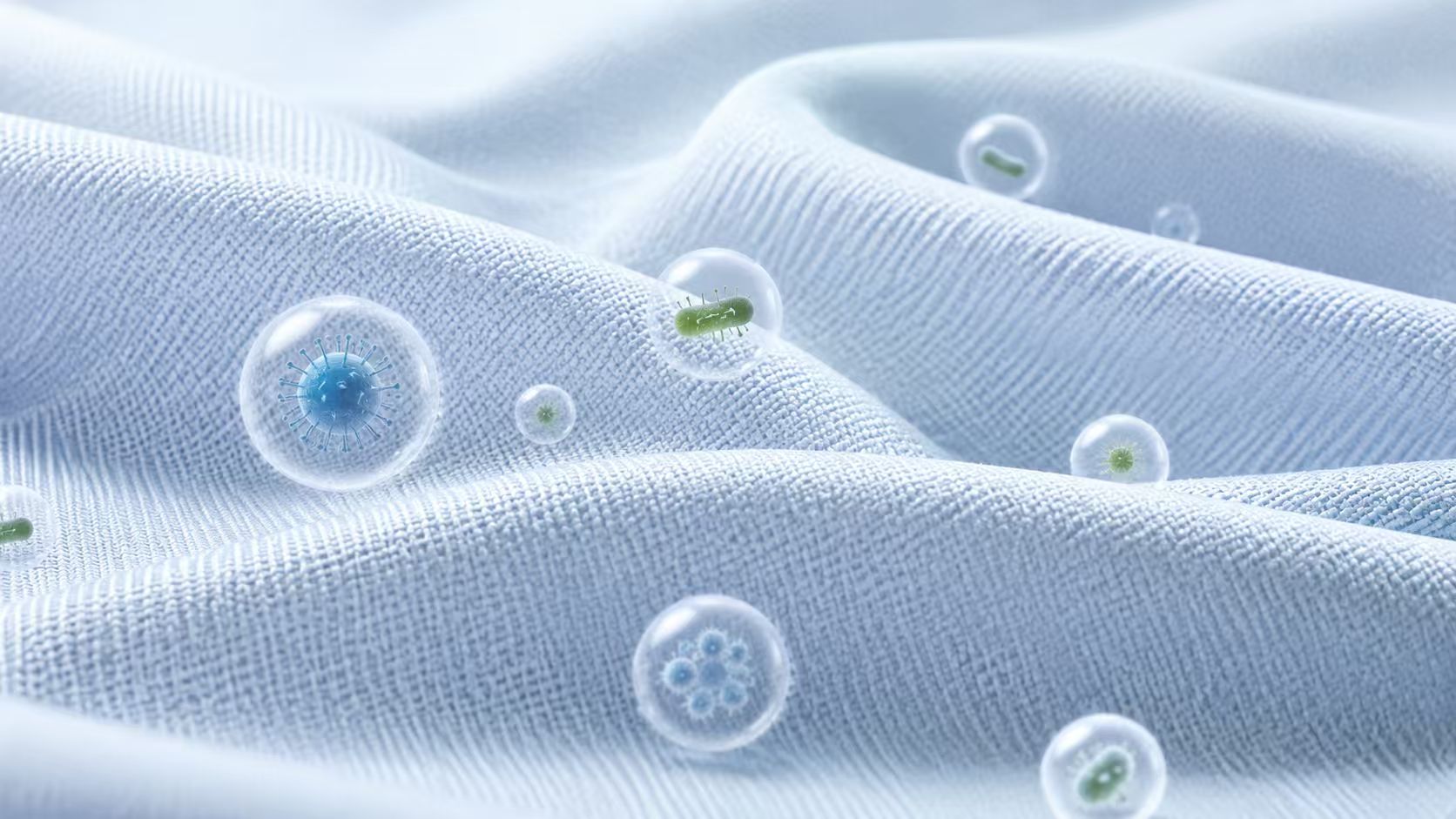
Fiber selection, fabric construction and finishing can be reviewed for absorbency, moisture transfer and drying behavior in suitable products.

Material selection, yarn, surface texture, weight and finishing can be reviewed when softness or skin-contact comfort is important to the project.
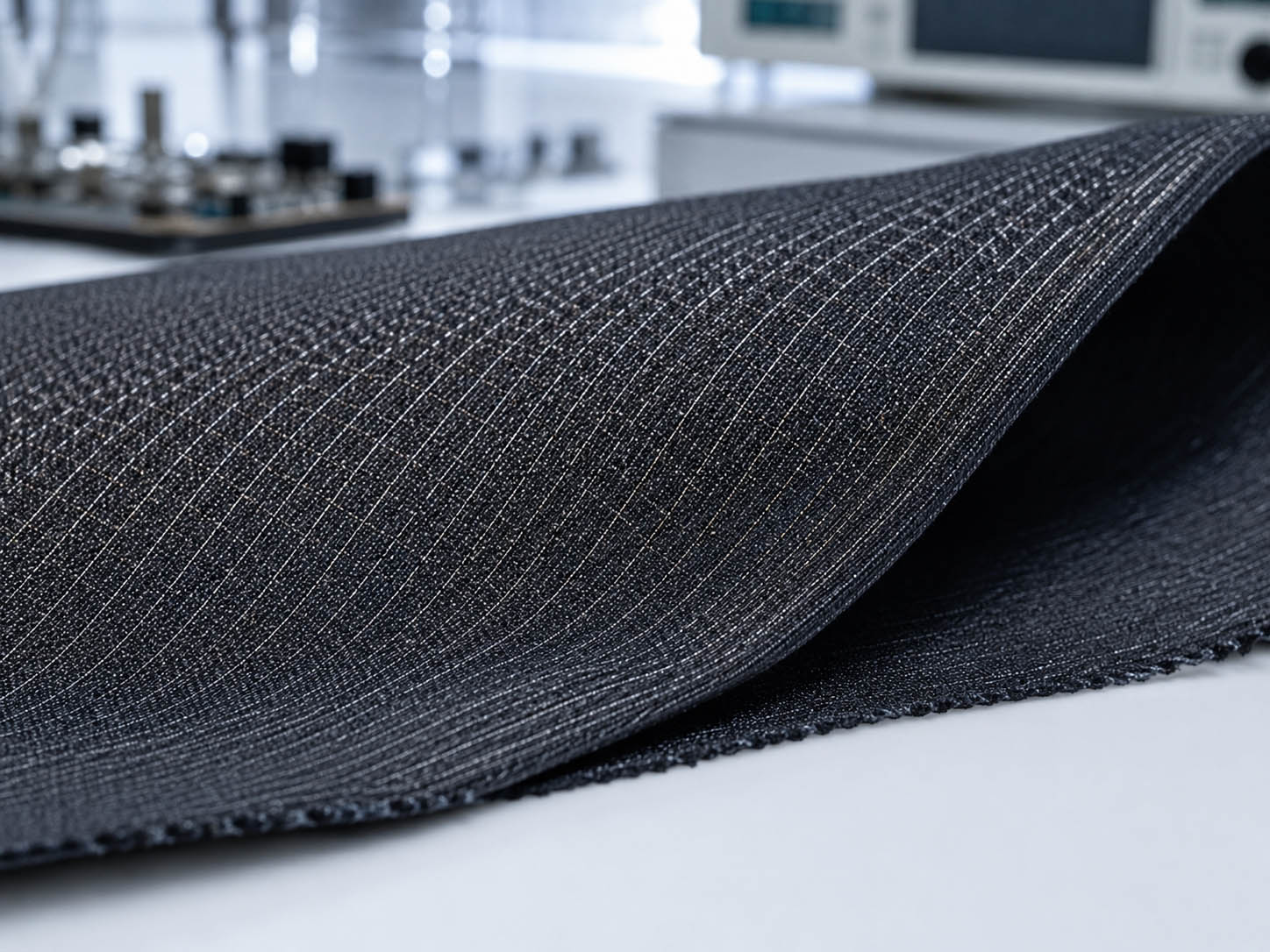
Fabric weight, yarn, weave or knit structure and finishing can be reviewed for portability, packability and lighter product construction.
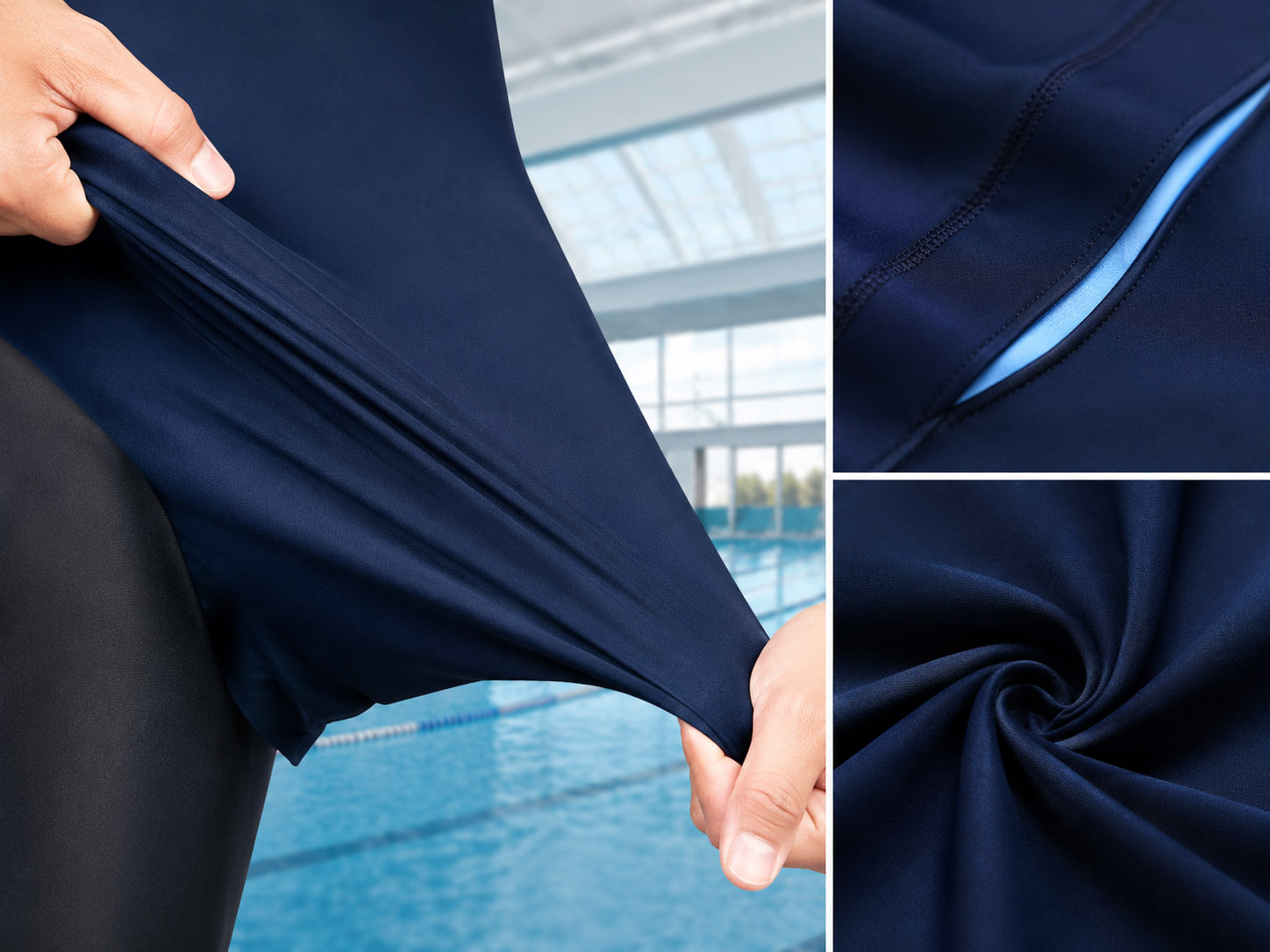
Material options can be compared according to product use, construction stability, stretch or recovery needs, printing compatibility and target performance.
Material options are evaluated according to product construction, weight, hand feel, printing compatibility and intended use.
Fiber composition, weave or knit structure and surface texture are reviewed according to product use and processing needs.
Weight and construction are reviewed together because GSM may affect absorbency, drying behavior, hand feel and product stability.
Absorbency, moisture transfer and drying behavior can be compared during sampling when they are part of the target requirement.
Softness, texture and skin-contact comfort are reviewed according to the product category, use scenario and customer specification.
Printing compatibility, color direction, durability expectations and target market requirements are reviewed before final product integration.
Translate the product use scenario, target performance and market requirement into a practical material development brief.
Review fiber, fabric structure, GSM, finish, surface texture and construction options for the project.
Prepare or coordinate samples for hand feel, construction, appearance and preliminary performance review.
Review required testing, third-party documentation or supporting information according to the function, claim and target market.
Functional materials may be used in selected product categories, but not every product needs functional materials and not every function is suitable for every product. Performance Textiles are application-based product programs; Functional Fabrics is the material and performance development support direction.
Material requirements for yoga, fitness, active and studio textile programs.
Material directions for beach, travel and outdoor leisure textile products.
Absorbency, drying and cleaning-related directions for practical textile programs.
Softness, absorbency and drying directions for grooming and pet-care textiles.
Softness, absorbency and drying behavior for bath and personal-care textile programs.
Project-specific technical directions reviewed through the material brief.
Share the product direction, use environment, reference product or existing sample when available.
Describe the expected performance, such as absorbency, quick-dry behavior, cooling direction, softness or lightweight construction.
Provide material preference, GSM or weight target, surface texture and any construction requirement if known.
Share the target market, expected performance level and any customer-specified testing or documentation requirement.
Estimated quantity and timing help review feasibility, sampling route and production confirmation, but the first inquiry does not need every detail.
Clarify how the product will be used, who will use it and which environment it needs to serve.
Set the target requirement, such as absorbency, drying behavior, cooling direction, softness or lightweight construction.
Review fiber, structure, GSM, hand feel, surface texture, printing compatibility and intended use.
Develop or review samples for construction, hand feel, appearance and preliminary performance comparison.
Compare the sample against the intended function, product structure and application requirement.
Review whether third-party testing or supporting documentation is needed for the target market or claim.
Confirm how the functional material fits the product size, construction, printing, labeling and packaging direction.
Confirm final material, process route, specification, testing basis if required and production control points.
A project may begin with a target performance requirement, but any specific functional claim should be based on the selected material, construction, processing method and appropriate testing or supporting documentation.
Functional textile development at Huaman Tex begins with the product use scenario and target performance requirement.
Selected materials, construction and processing method determine what can reasonably be evaluated or tested.
Testing requirements depend on the function, target market, customer specification and claim.
Specific functional claims depend on final materials, processing and appropriate testing or supporting documentation.
Huaman Tex does not treat a target functional requirement as a verified claim before the final material, production route and evidence basis are confirmed.
Huaman Tex combines functional textile development, digital printing experience and project-based material selection. Recognition as a Zhejiang Science and Technology SME, together with multiple invention and utility model patents, supports continued development in functional materials, product structures and application solutions.
Huaman Tex can review project-specific requirements such as absorbency, quick-dry behavior, cooling or cool-touch direction, moisture management, softness, hand feel, lightweight construction and performance-oriented material selection.
Yes. Functional materials may be reviewed for performance, bath, pet care, beach, outdoor, kitchen, cleaning and other suitable textile projects, but not every product requires a functional material and not every function fits every product.
Functional textile development begins with the product use scenario and target performance requirement. Material options are reviewed according to fiber content, fabric structure, weight, hand feel, drying behavior, printing compatibility and intended use.
Testing requirements depend on the function, target market, customer specification and claim. Third-party testing or supporting documentation may be required depending on the project.
No. A specific functional claim cannot be guaranteed before the final material, construction, processing method and appropriate testing or supporting documentation are confirmed.
Share your product type, use scenario, target function, reference product, material preference, target market, testing requirement, quantity and timing when available. We can review the brief and discuss the next development step.
Explore application-based textile directions for active, studio, beach, outdoor, kitchen, table and pet-care programs.
Explore Performance Textiles